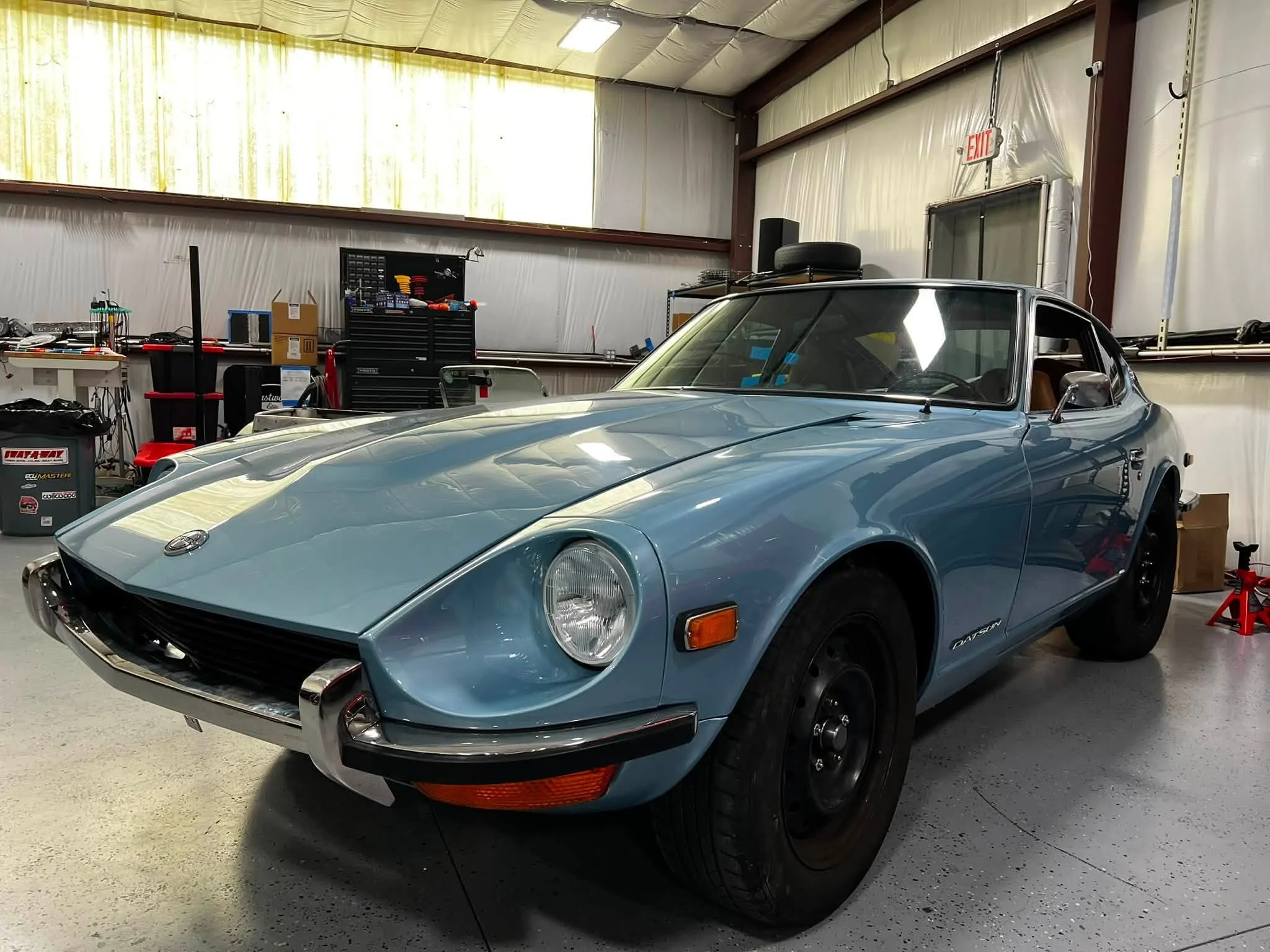
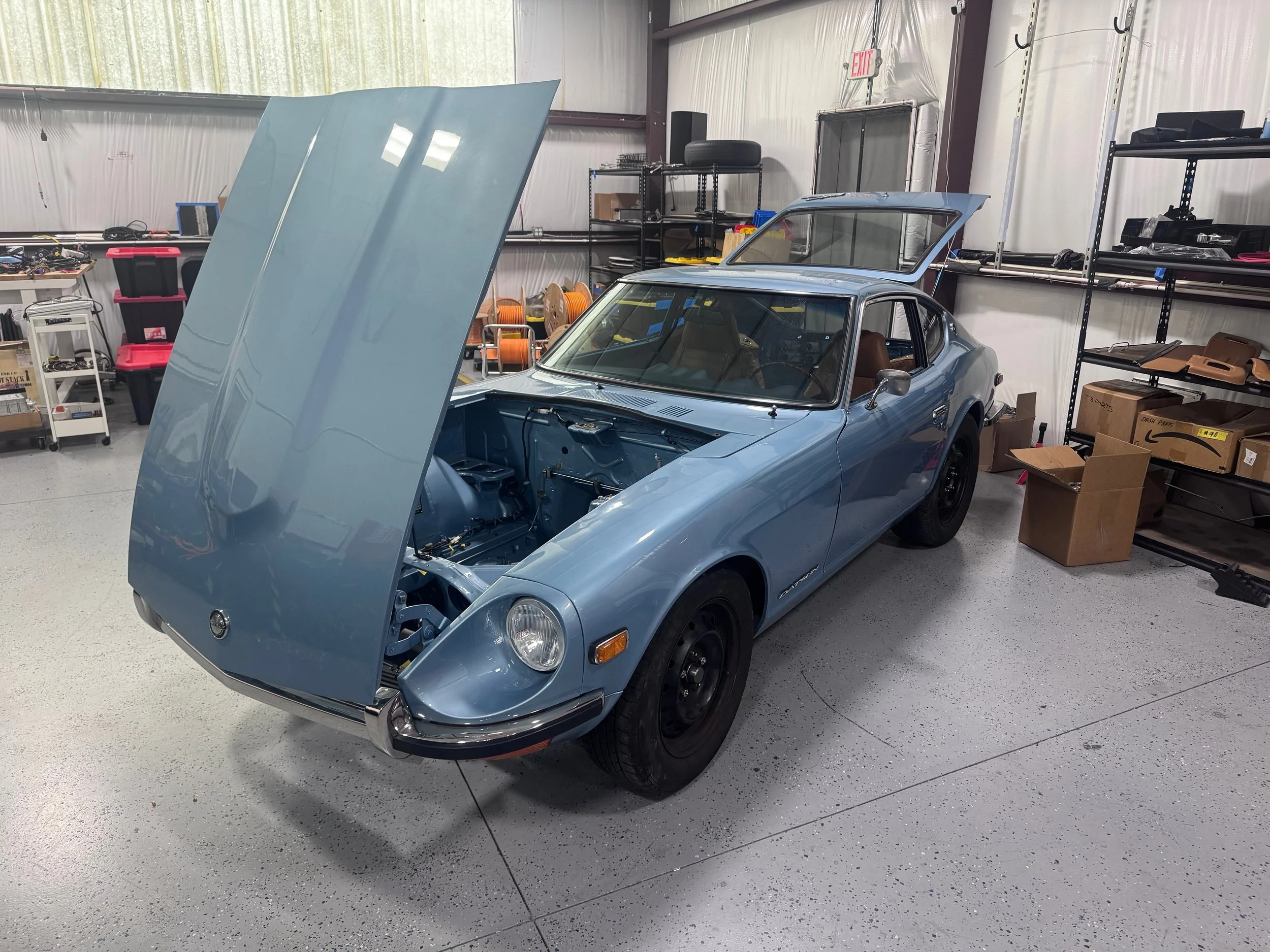
Rear Differential Preparation Underway
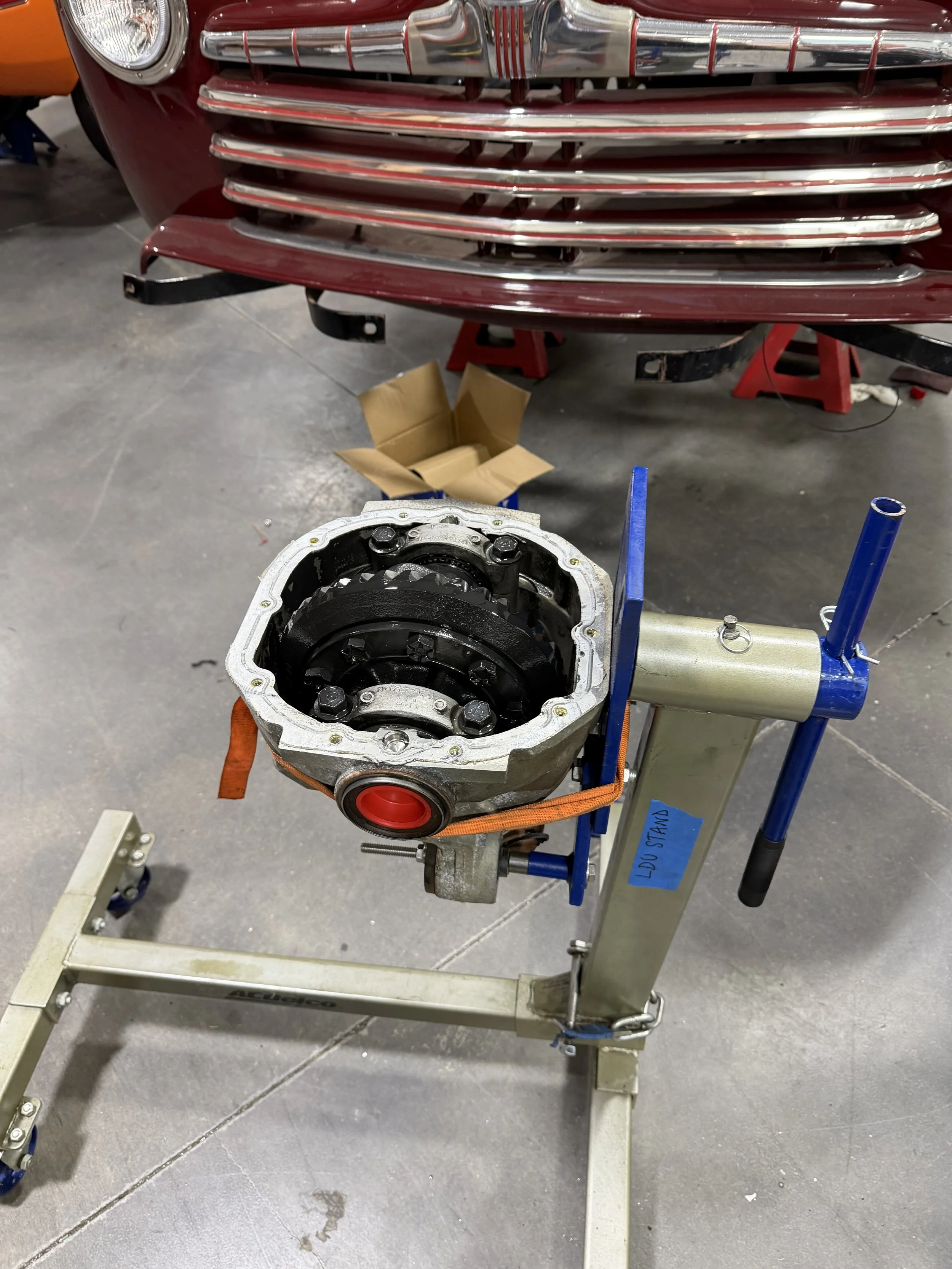
We disassembled both rear differentials this week to evaluate parts compatibility. After inspecting components from each unit, we confirmed the 2.73 gear set will work for the Z and ordered the remaining parts needed for the rebuild.
All bearings and seals have been removed from the differential housing. The bushings required more effort than anticipated — we ended up cutting them out with an air hammer rather than pressing them. That work is now complete and we're ready for the new parts to arrive.
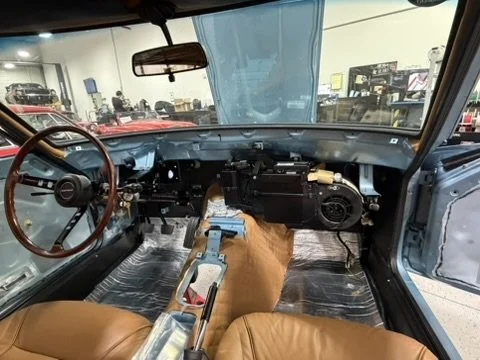
The new climate control components arrived and we began installation. The condenser was assembled and installed first. We then assembled the evaporator unit and began fitting it into place.
During test fitting, we identified a clearance concern with the heating element and blend door motor using the original mounting configuration. We're evaluating whether to modify the brackets or use an alternative heating approach. The evaporator unit remains partially installed while we finalize that decision.
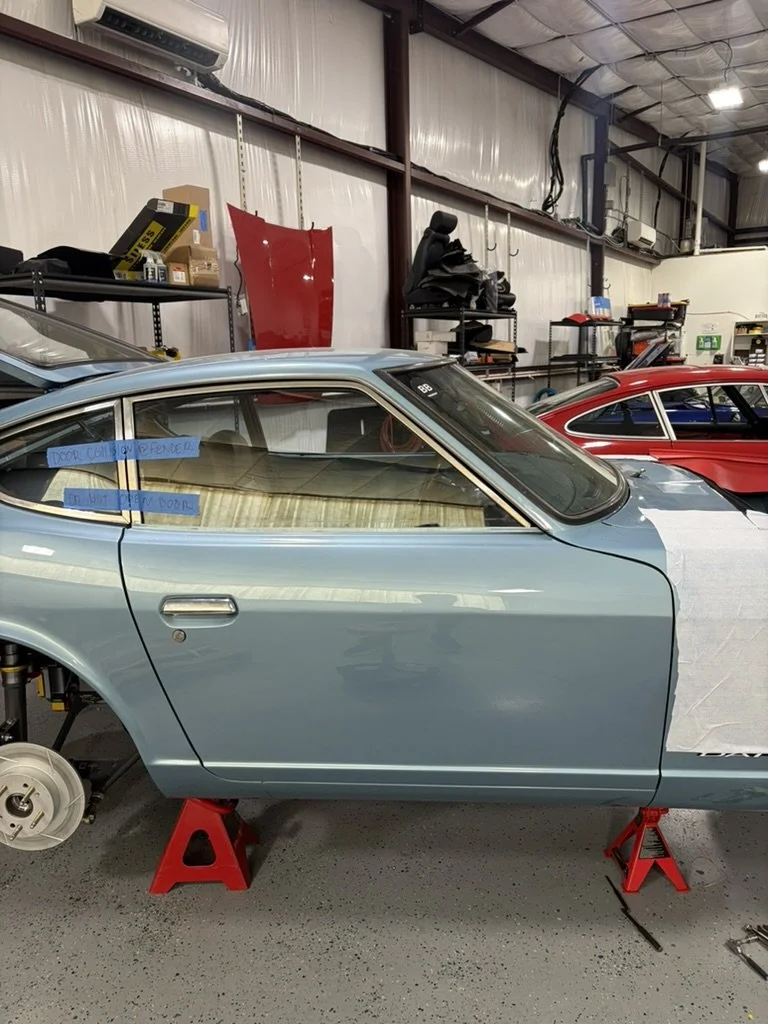
We adjusted the passenger door to improve its fit and operation. The door was sitting too far outboard, which we traced to shims behind the upper hinge. After removing the shims and old masking tape, we made incremental adjustments until the door gap looked correct and the door closed properly. We may make final tweaks once the car is back on its wheels.
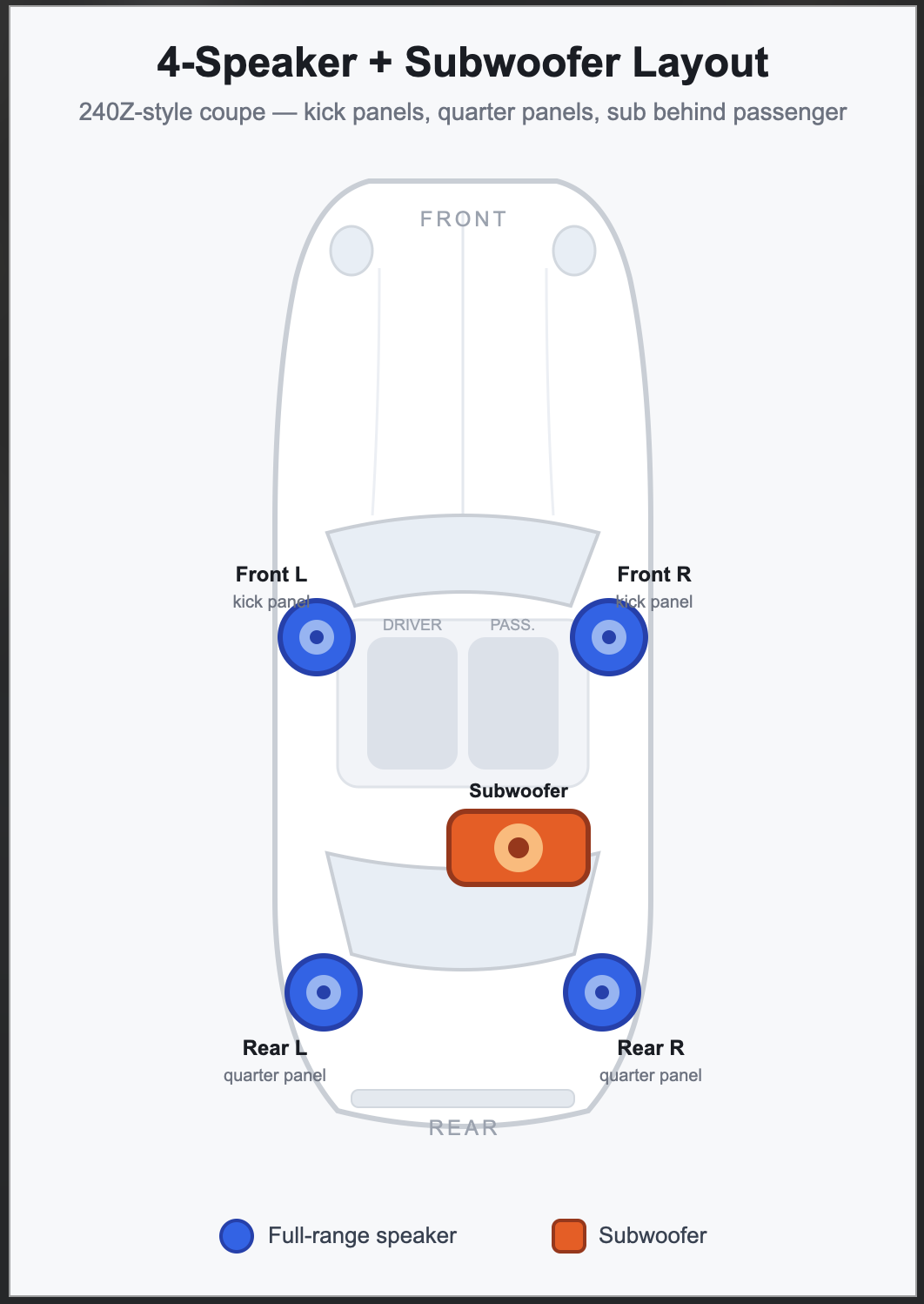
We finalized the audio system planning for the 240Z and prepared a tiered package presentation. The proposal builds on the layout we developed previously — front speakers in custom panels, 6x9 speakers in the rear hatch, a compact amplified subwoofer, and a four-channel amplifier.
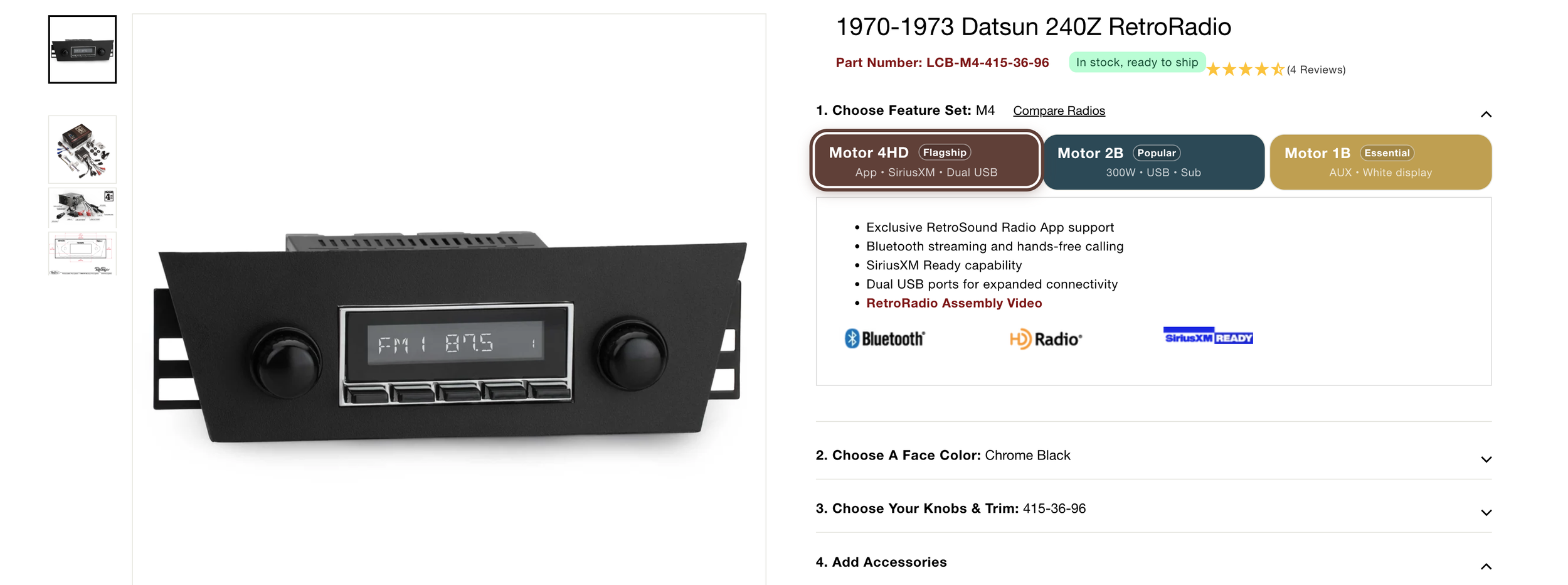
The presentation includes options for the head unit configuration, either using the touchscreen GUI as the primary interface in the center console or installing a period-correct RetroSound unit with the GUI mounted discreetly. The package options are now ready for review.
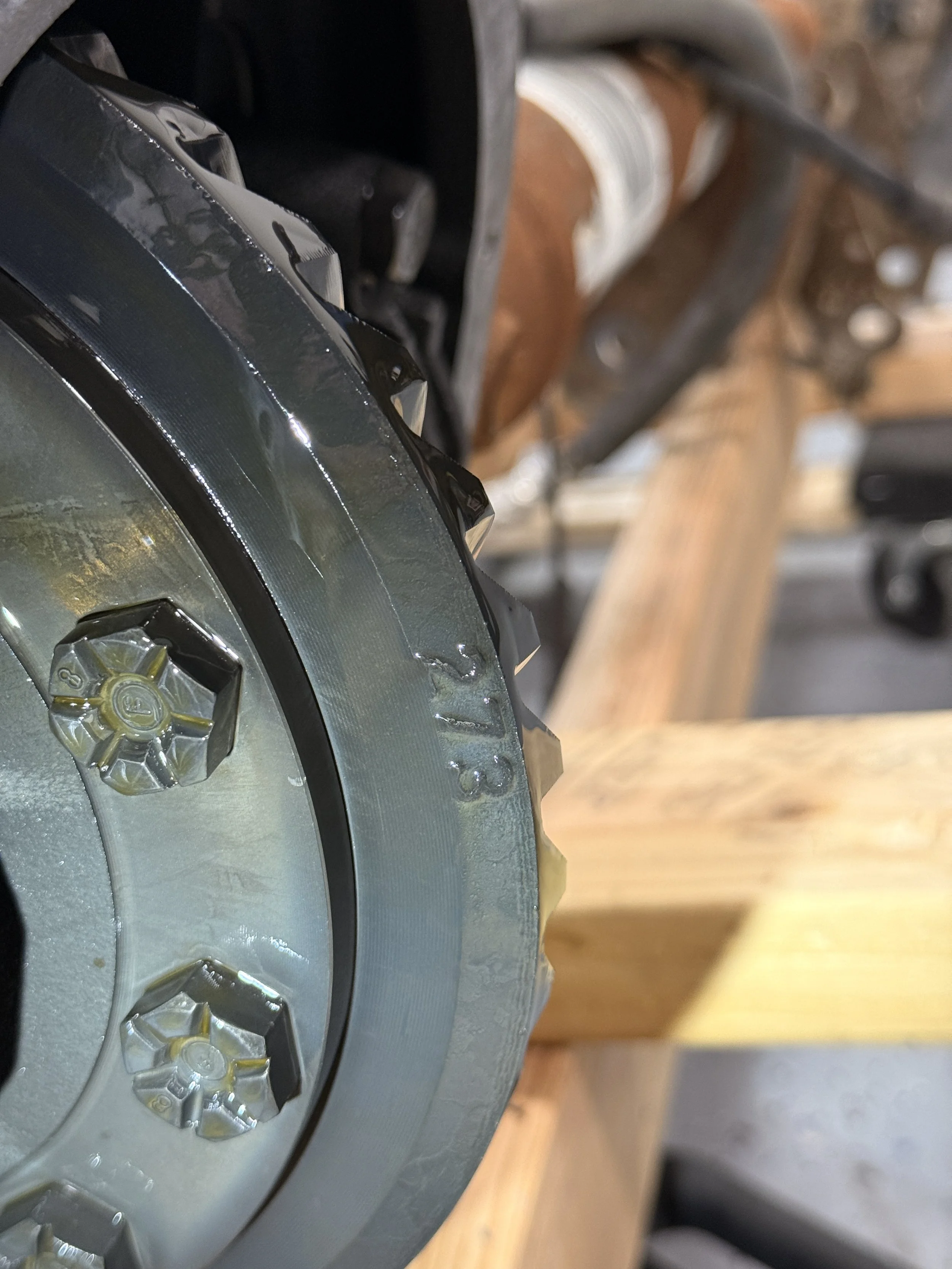
We pulled the cover off the solid axle donor to drain the differential and verify the ring and pinion. The fluid came out clean and healthy, and we confirmed a 2.73 gear ratio with teeth in good condition.
The solid axle rear end is in usable shape and has been set aside for the machine shop. Next we'll inspect the independent rear suspension housing that will actually be used in the build.
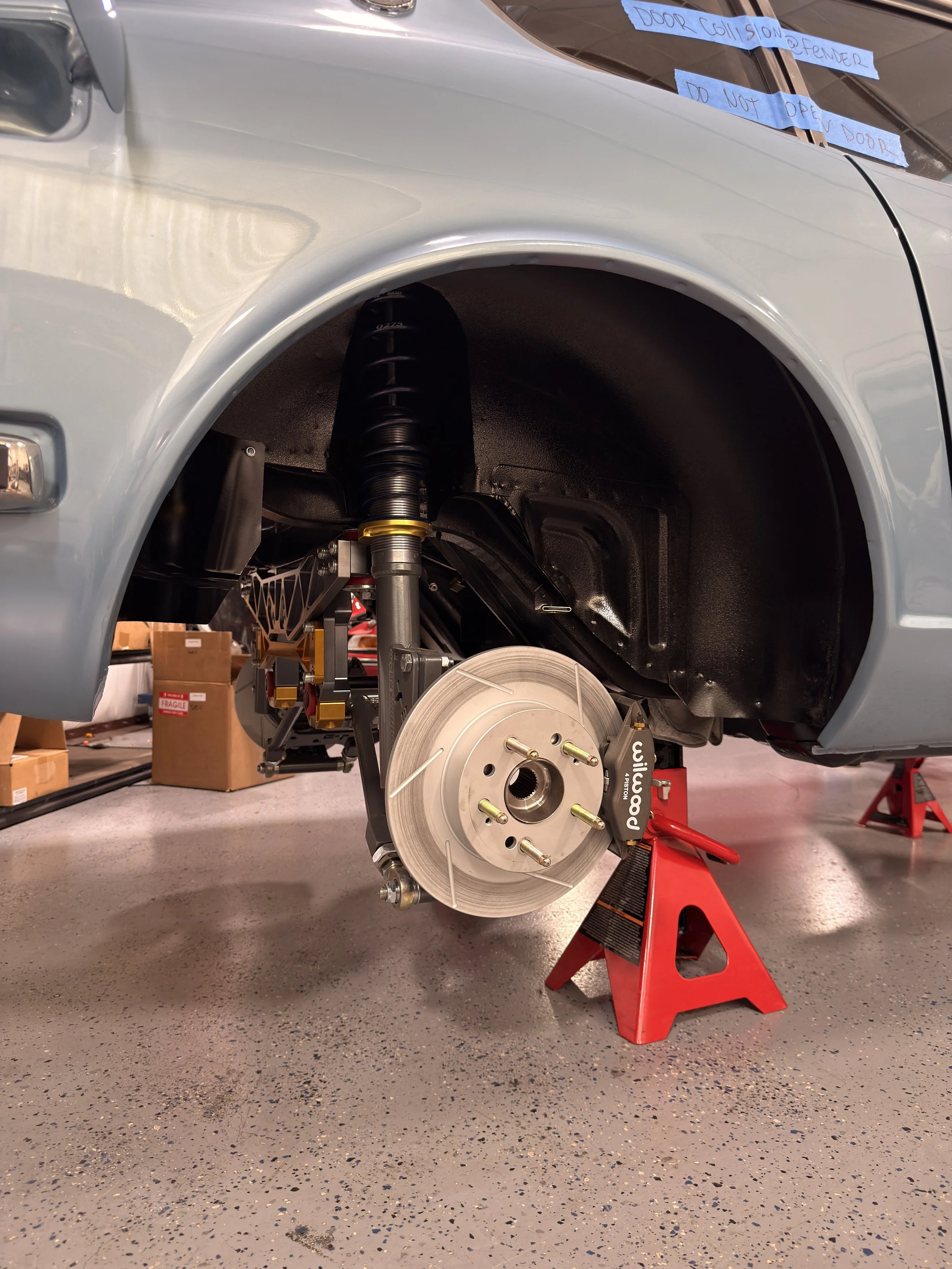
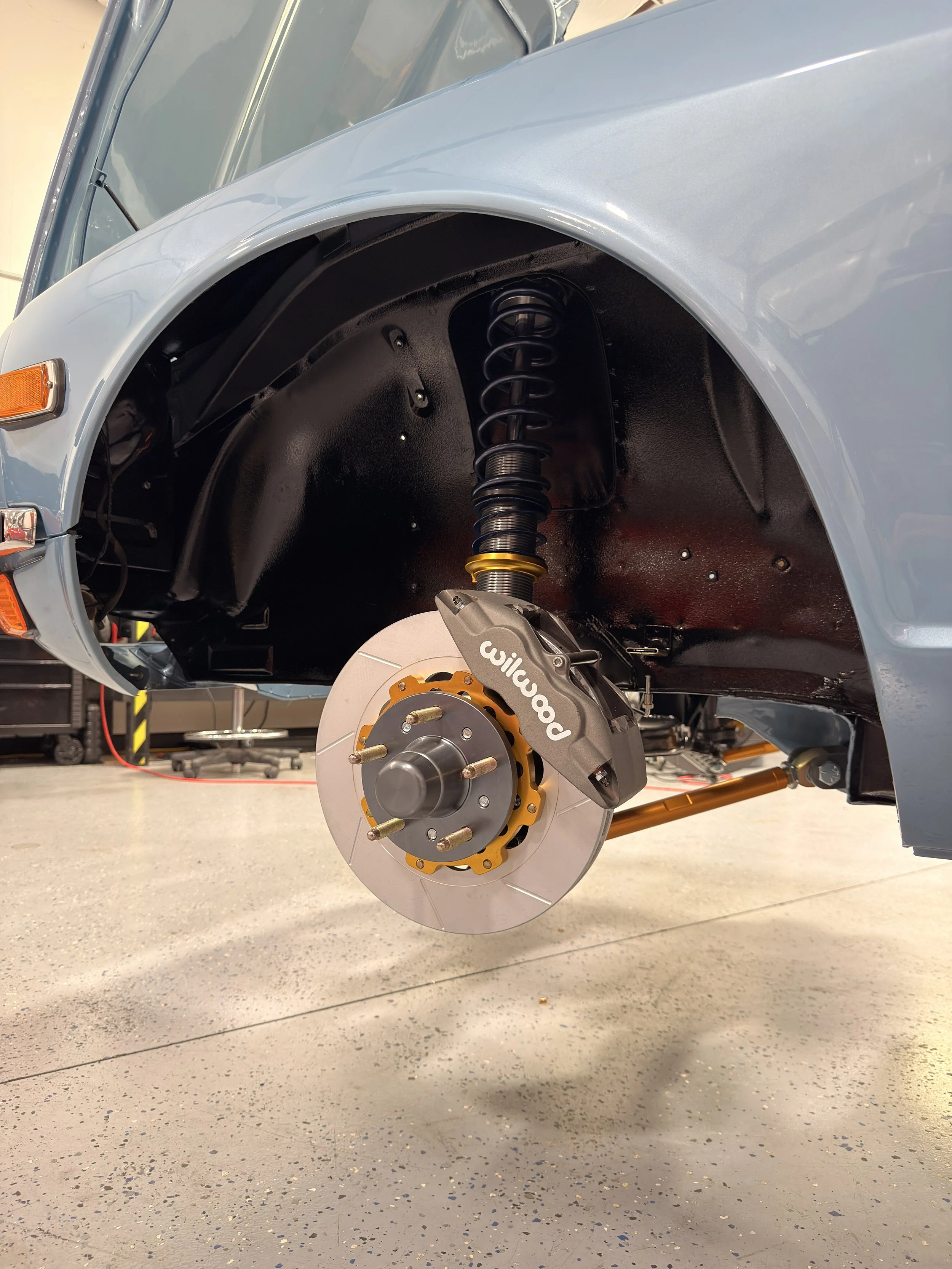
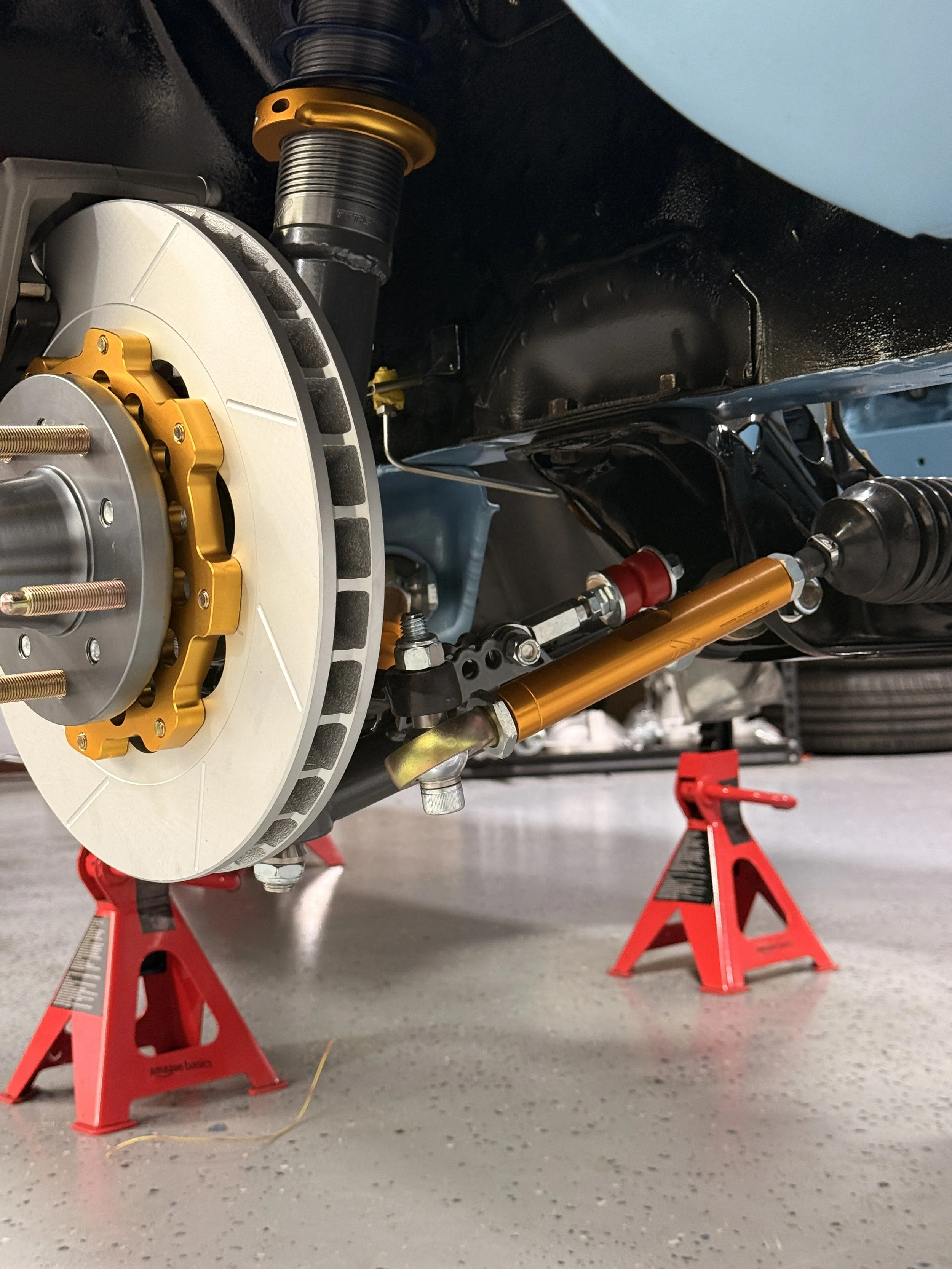
We completed the brake system inspection and ordered the hydraulic components this week. The 240Z already has Wilwood four-piston calipers front and rear, along with stainless steel brake lines that need final installation.
We're adding a Gen 2 Bosch iBooster with a Wilwood master cylinder and the necessary adapter plate for the firewall. The fitting kit includes banjo adapters and brake hoses to connect the booster to the existing calipers. The parking brake strategy is still being determined.
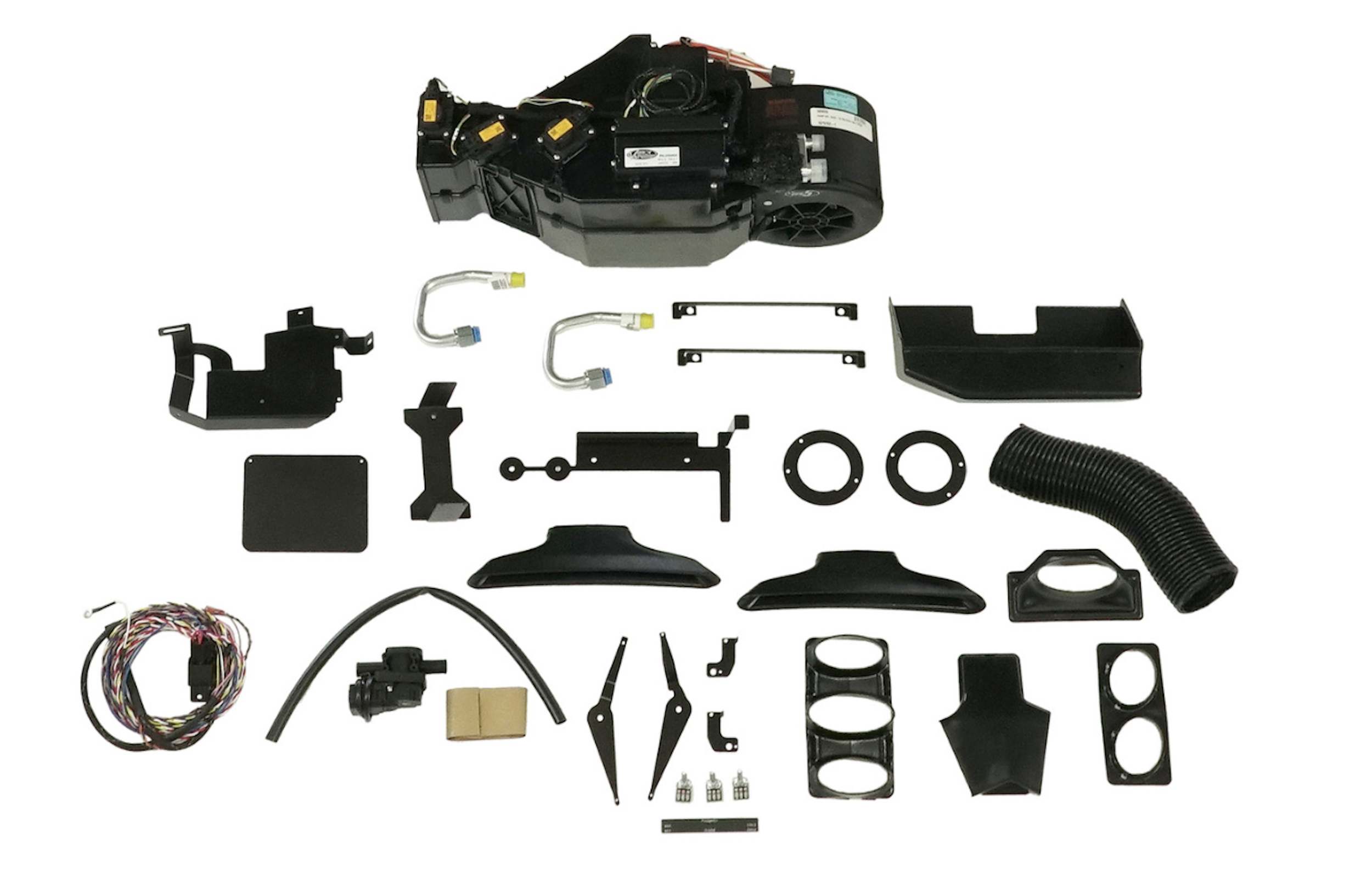
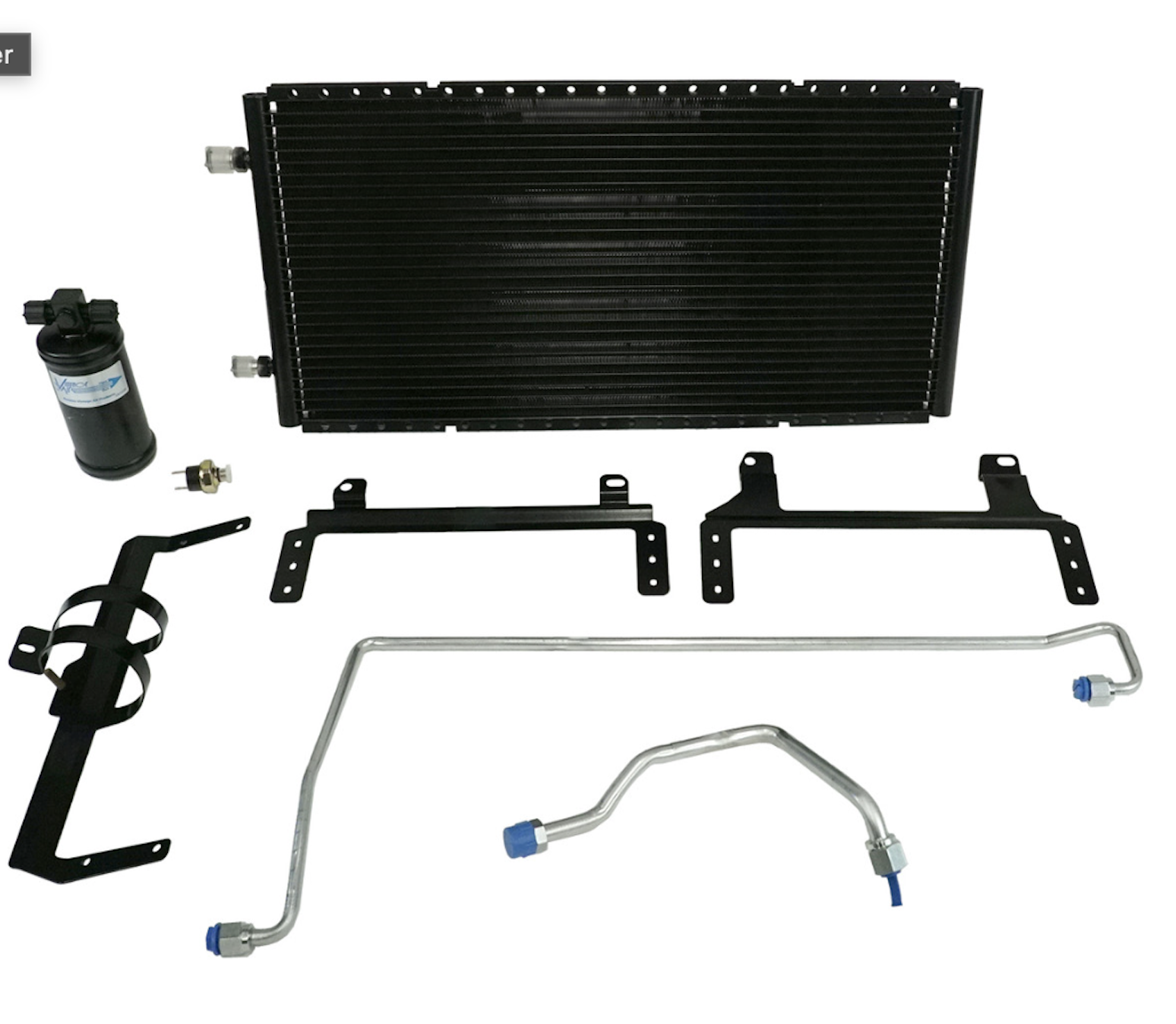
We finalized the parts list for the 240Z's climate control system this week. The car will receive a Vintage Air Gen 5 evaporator kit and matching condenser with drier. These kits include the major hard parts needed for a complete air conditioning installation.
Additional components include reproduction heater control panels and decals to maintain the period-correct dashboard appearance. Parts are now on order.
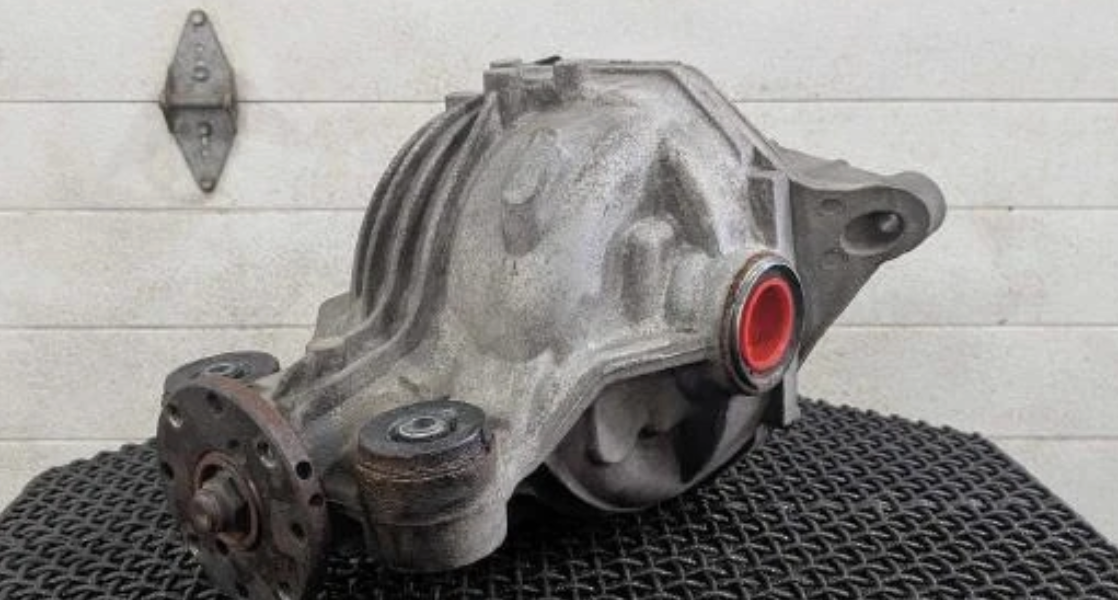
We completed the parts research and ordering for the 240Z's rear differential this week. The car will receive a Ford 8.8 independent rear suspension unit with a 2.73 ring and pinion gear set. We're sourcing two 8.8 assemblies — one complete unit for the car, and a second donor to extract the 2.73 gears.
The parts list includes a limited-slip differential, polyurethane front bushings for the IRS cradle, and a complete rebuild kit with bearings and seals. All components are now on order, which will allow us to rebuild the rear end to spec once everything arrives.
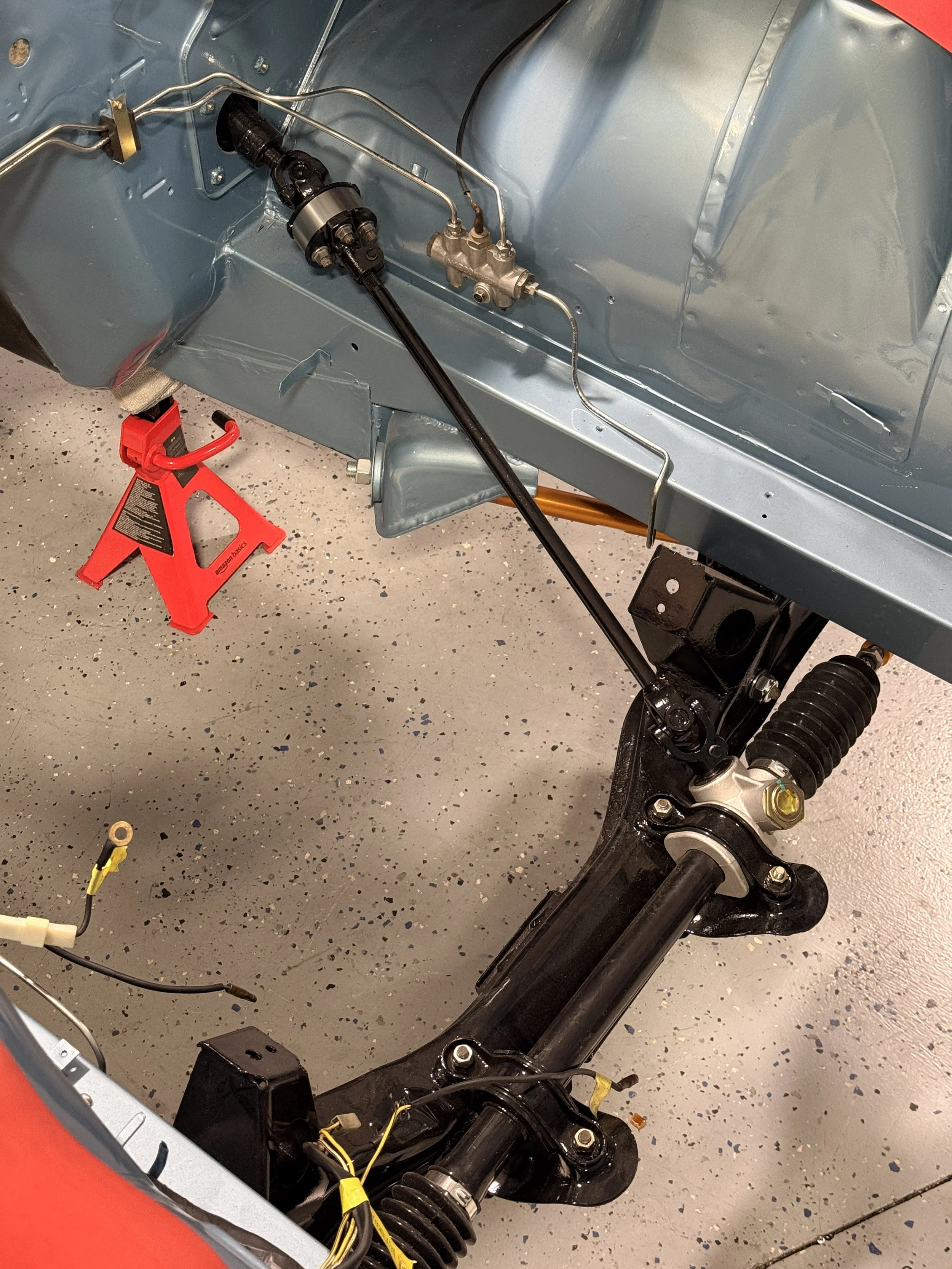
The steering setup was inspected this week and looks good overall. The existing rack and linkage are properly configured and require no major modifications. We'll verify all fasteners are properly torqued and perform an alignment once the car is rolling.
During the inspection, we noticed the sway bars were missing and have ordered replacements.
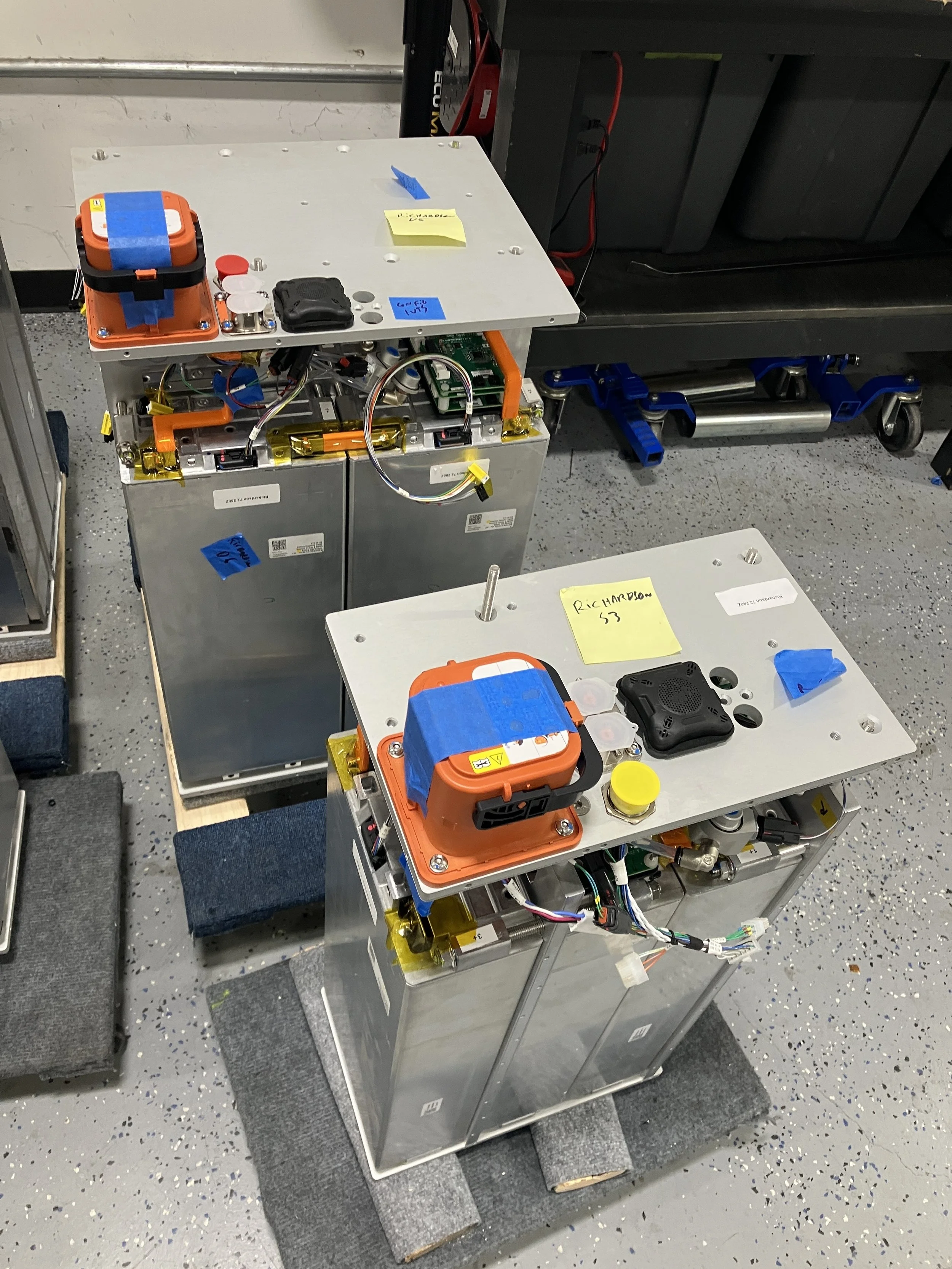
We completed the A-plate harnesses for the battery boxes this week and documented all connections in the as-built folder. The harnesses are now installed along with the bus-bars for final testing.
We also installed the satellite module harnesses, bringing the battery box electrical system closer to completion.
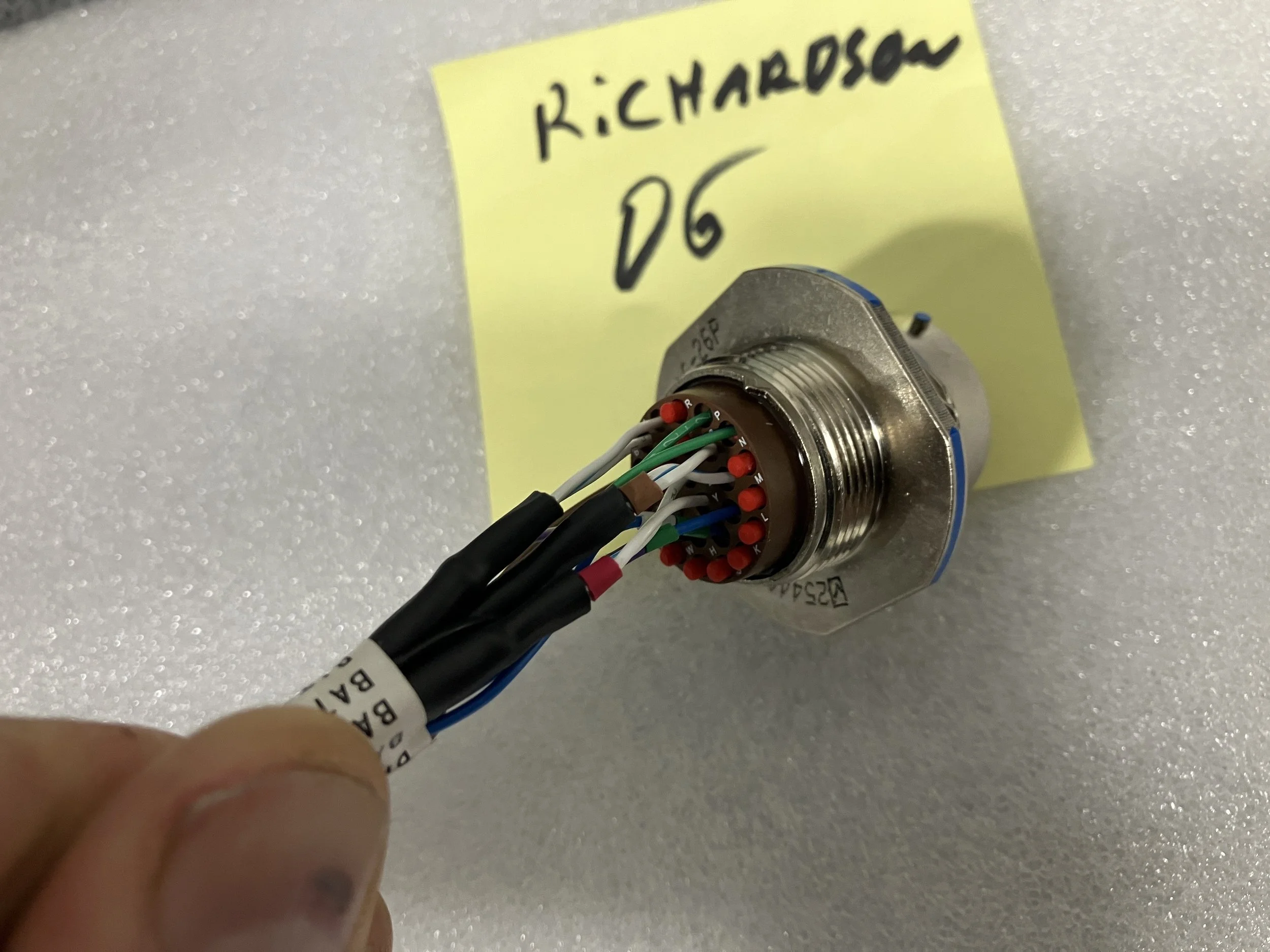
We finished terminating all the host-side connectors for the battery boxes this week. The CAN communication lines received proper shielding, heat shrink, and identifying markers to keep everything organized for final installation.
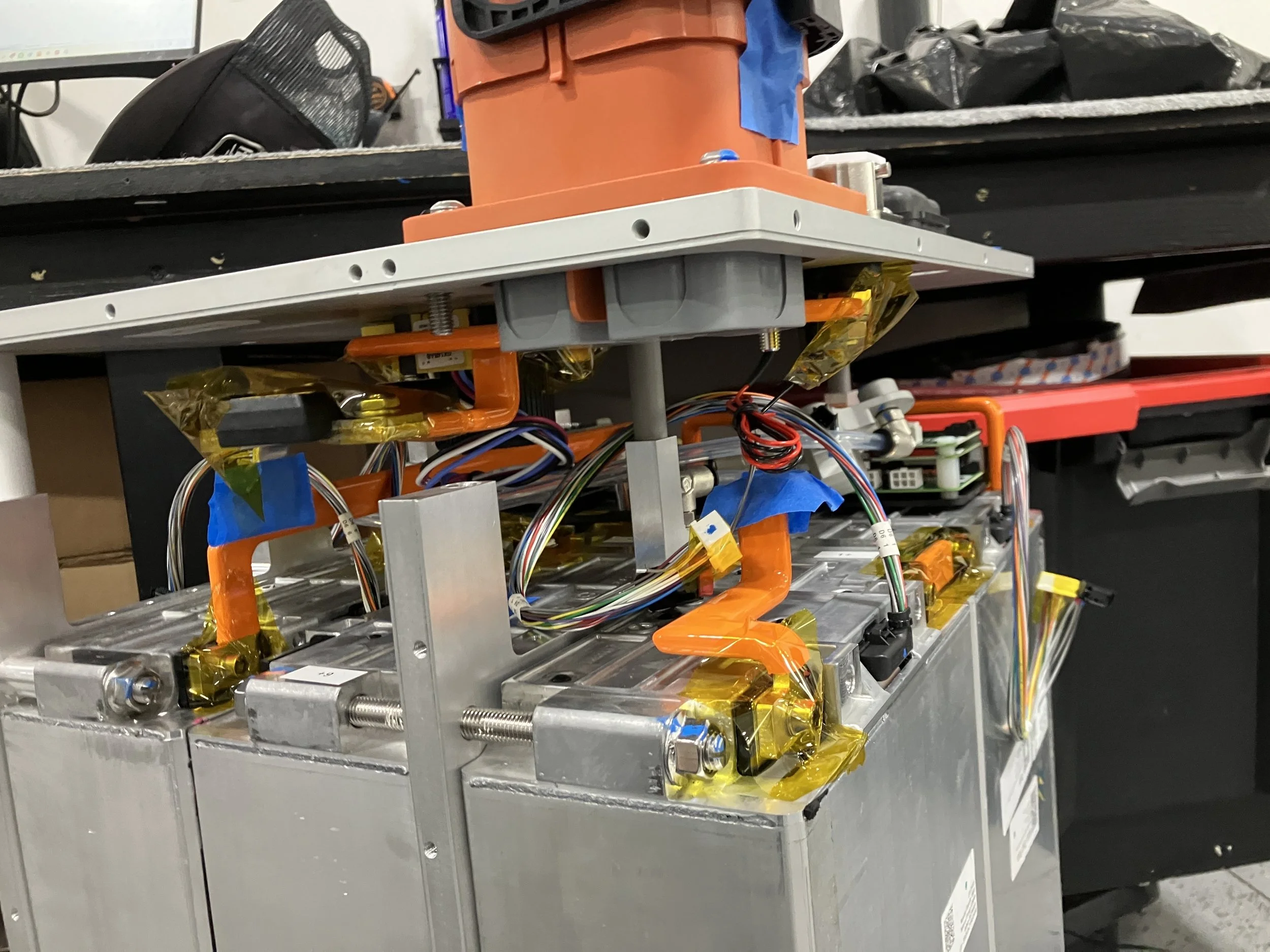
We've begun the detailed wiring work for the 240Z's battery management system. This week focused on measuring, cutting, and prepping all the connections between the battery boxes and the host board — the central control point that monitors cell health and balancing across the pack.
After taking careful measurements and creating cut lists for both the front and rear boxes, we moved into the assembly phase. All the connectors and terminals for the host board connections have been assembled, and we've started crimping and installing them. This methodical approach ensures clean, reliable connections throughout the battery system.
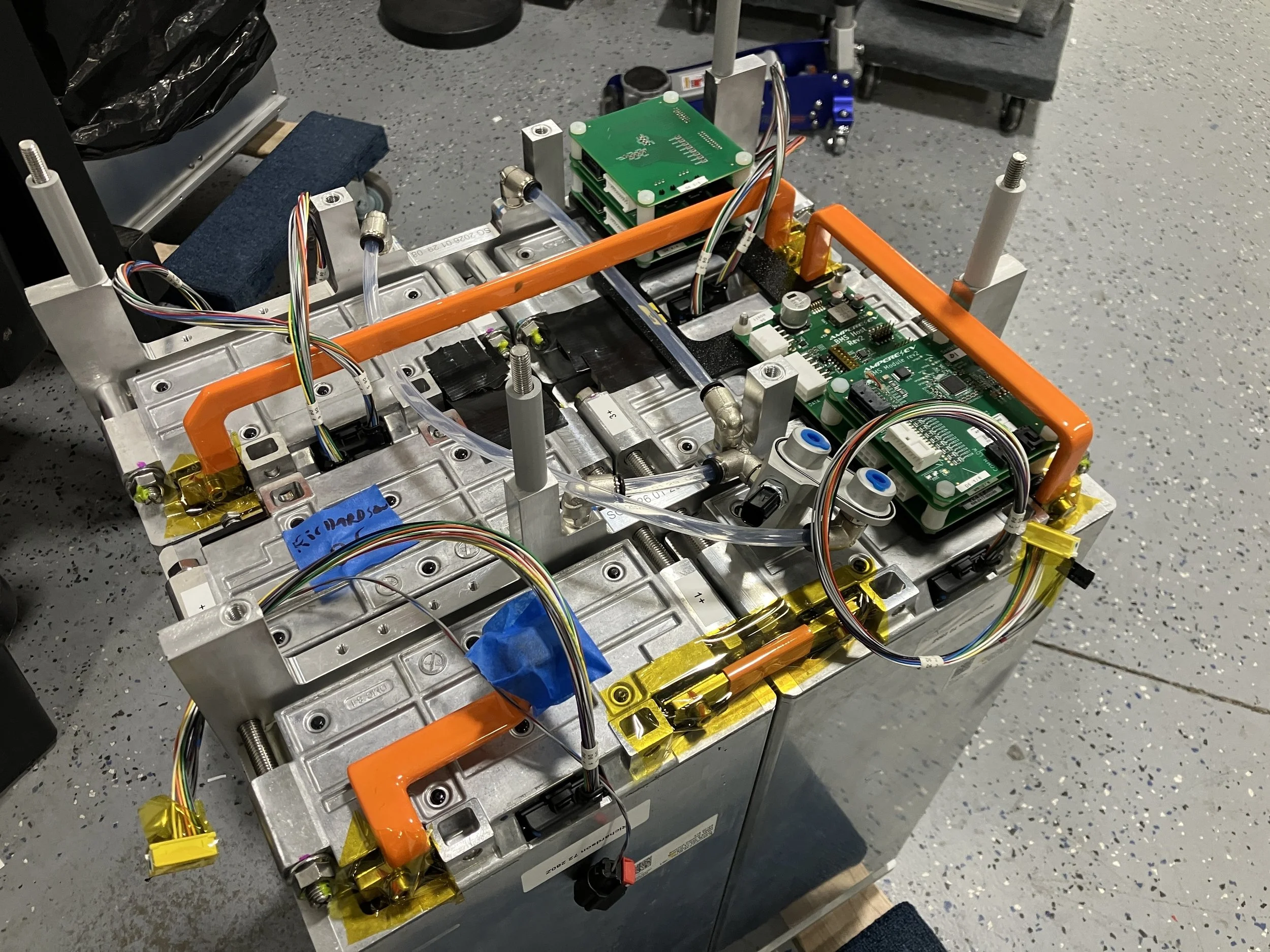
This week we installed the battery management system boards into the 240Z's battery boxes. Each box receives a host board and satellite boards that monitor individual modules, with specific serial numbers verified against the build documentation.
The boards mount to a BMS plate that sits atop the chill plate assembly. We installed the module harnesses between the chill plate layers, then secured the BMS plate with countersunk screws. Each satellite board was labeled with its number and corresponding module position for future reference.
We also updated the cooling line routing after discovering interference between the fittings and the BMS boards. The revised layout provides proper clearance while maintaining the thermal management design.
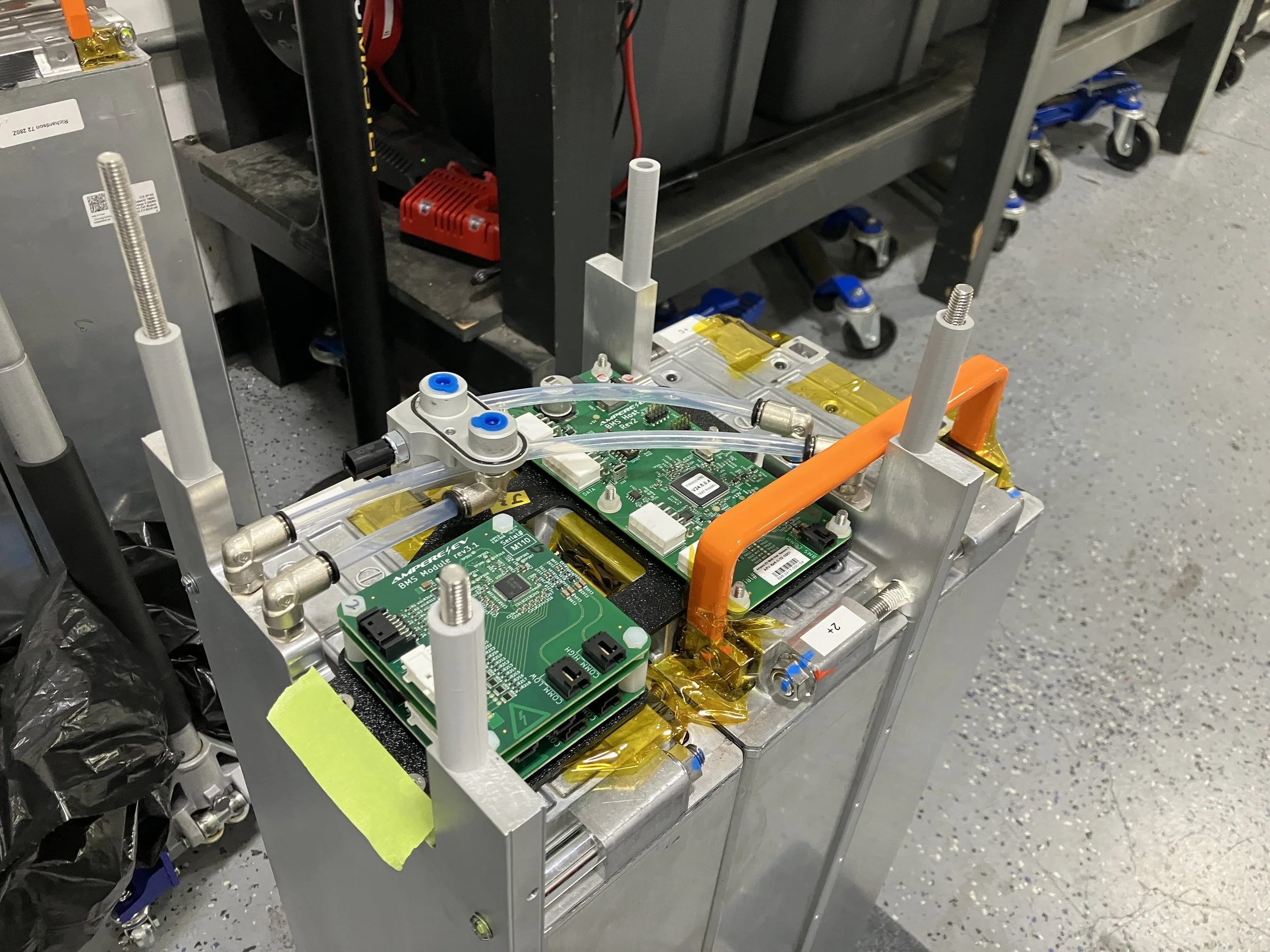
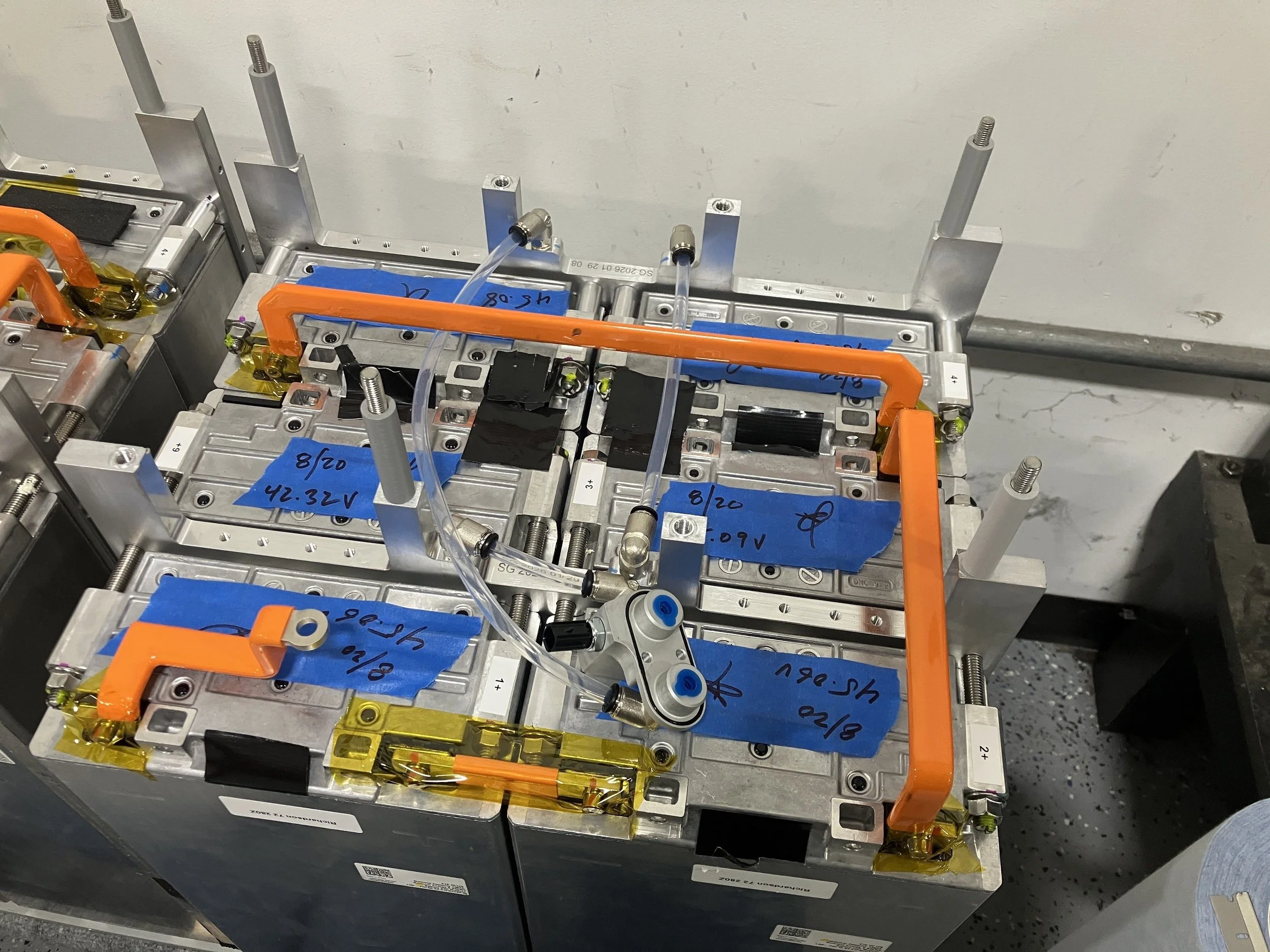
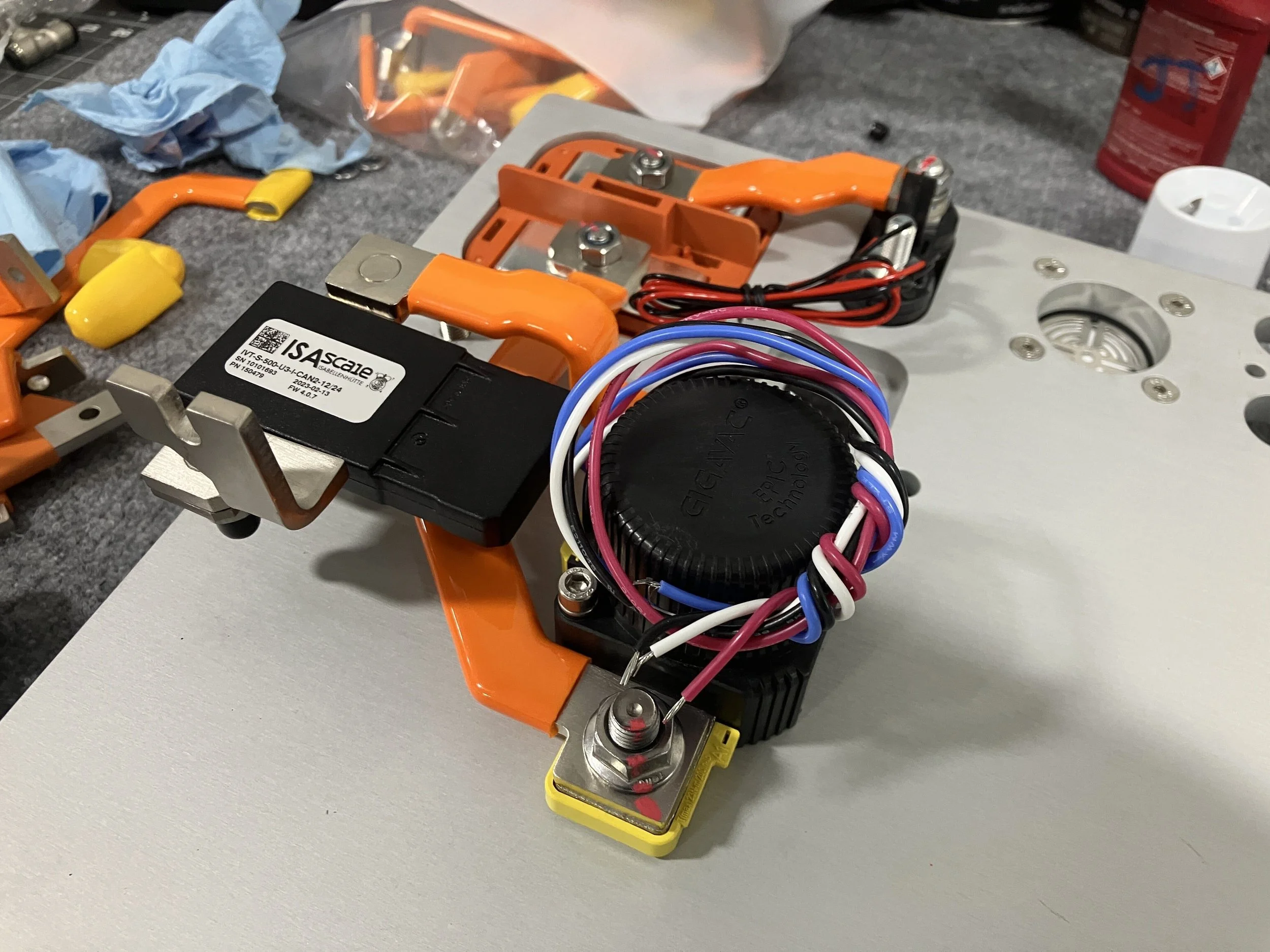
We continued assembly of the 240Z's battery boxes this week, building up the main A-plates with electrical and cooling components. The plates received their contactors, main disconnect switches, vents, and high-voltage connectors.
Cooling port assemblies were installed into the chill plates, and cooling lines were measured, cut, and test-fitted to verify routing before final installation.
Busbars were mounted to the A-plates and torqued to spec, with all live connections insulated and labeled for module orientation. We're leaving a few short busbars off until final assembly to simplify the next steps. Battery management system harnesses were tested and the BMS boards prepped for installation.
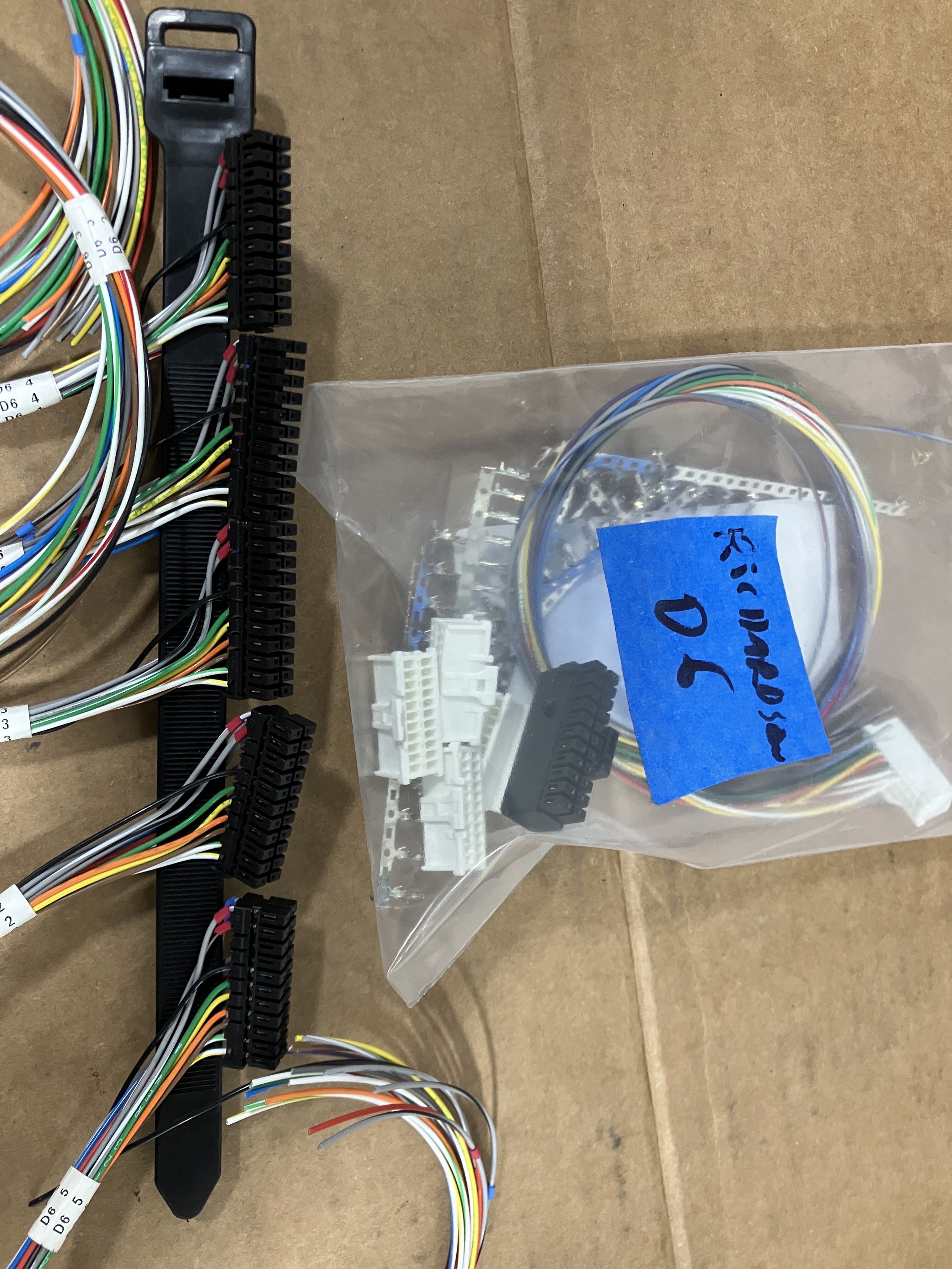
We completed fabrication of the battery module harnesses this week. After verifying harness lengths against the CAD model, we determined that 16-inch harnesses would work across all modules. We measured, cut, and organized the wire sets before crimping and pinning the module terminals.
All terminals have been tested and labeled with markers for installation. The harnesses are now loomed and prepped for connection to the battery management system. We also made a mounting adjustment, separating a module from its cooling plate to accommodate the updated BMS bracket design on the rear battery boxes.
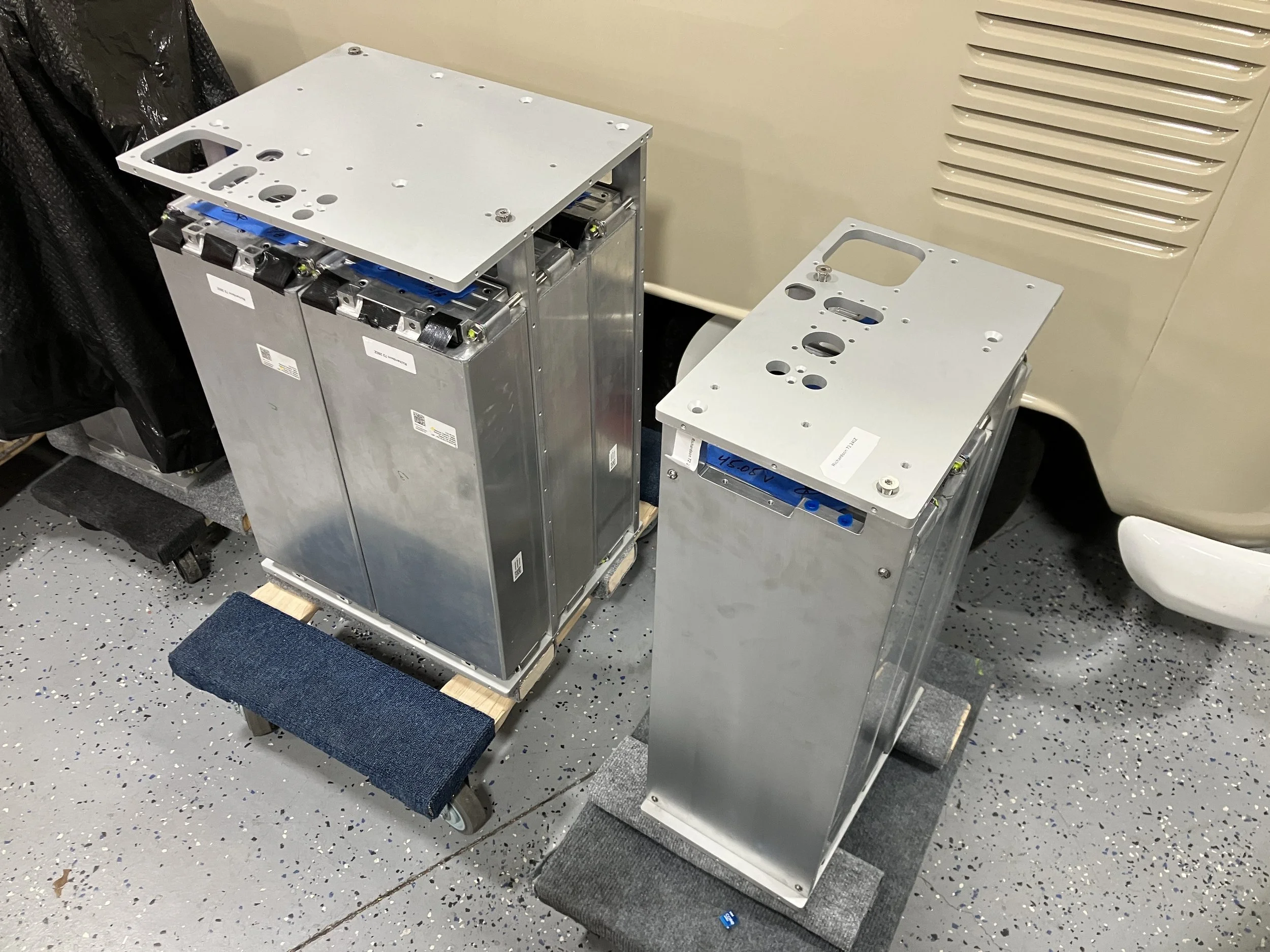
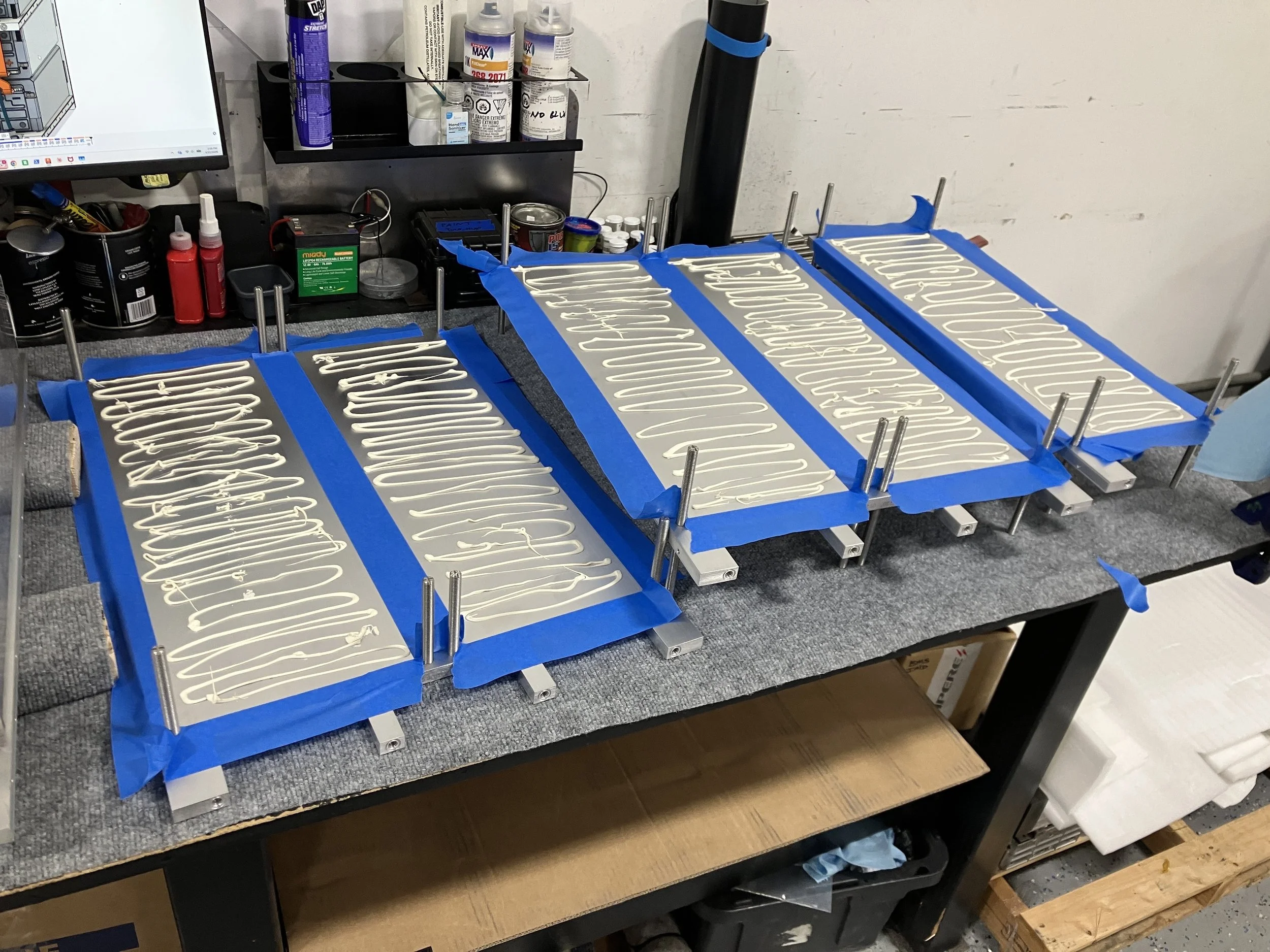
We began assembling the battery modules this week, starting with preparation of the thermal management components. The chill plates received threaded studs and careful masking in preparation for thermal interface material application.
With the prep work complete, we applied thermal paste to the chill plates and mounted the battery modules. The assembled units are now staged on dollies for the next phase of integration. We also located the busbars and battery management system components that will connect the modules into the complete pack.
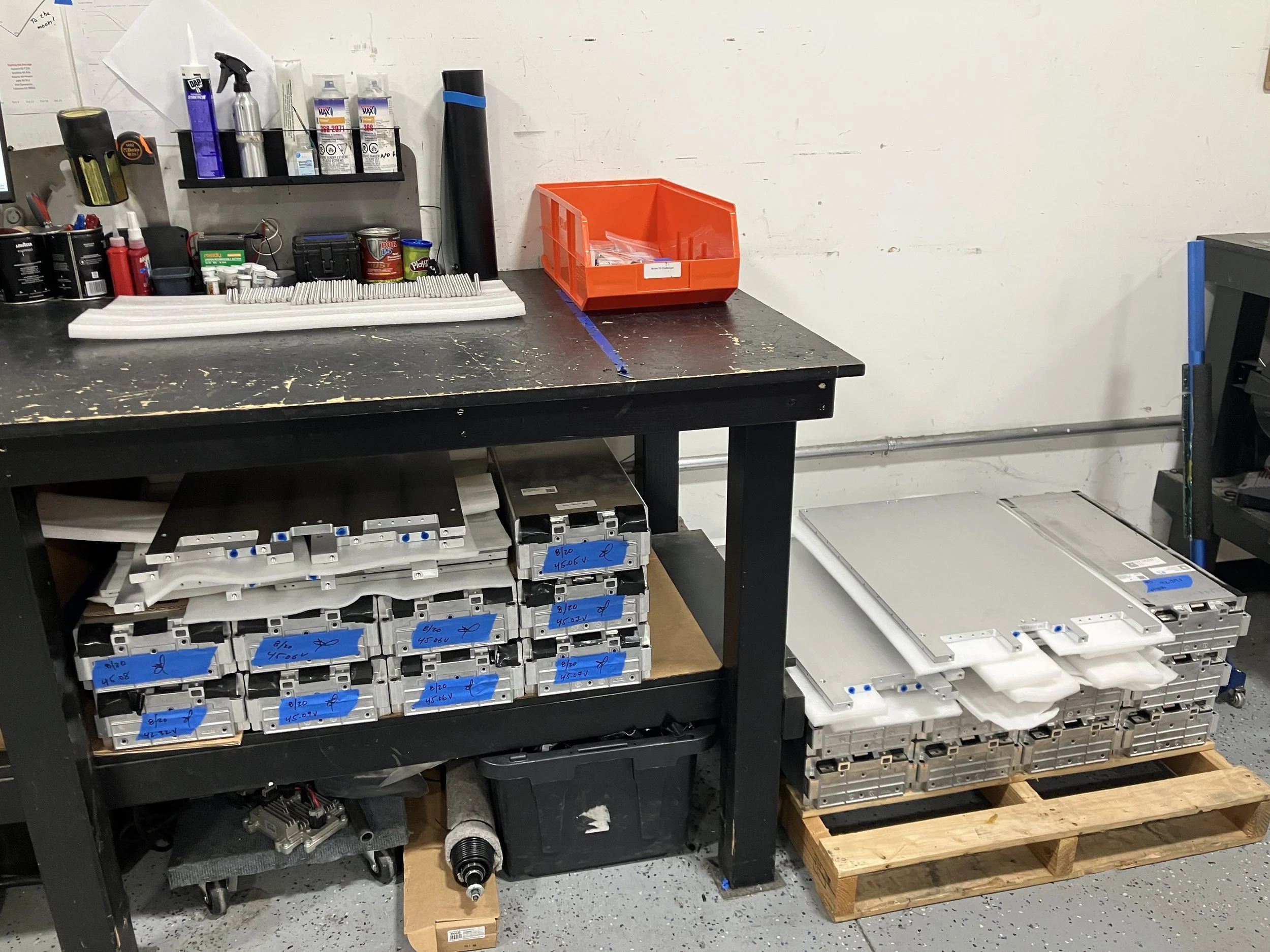
We began preparing for the battery box build this week. The workspace was cleaned and organized, and we reviewed the assembly drawings to confirm the build sequence.
The battery modules, mounting plates, and thermal management components are now staged and ready. We assembled the initial stack of modules with their chill plates and fasteners, setting the foundation for the battery box integration.